
Displaying Ordnungspolizei flags is a significant way to honor German law enforcement history and traditions. These flags, with specific color schemes and emblems, symbolize justice and public safety. Proper display guidelines ensure historical integrity, including careful lighting for indoor settings and weather resistance outdoors. Authentic reproductions require accurate sizing, high-quality materials, and meticulous detail. Original flags should be carefully framed and mounted. Informative placards enhance displays, educating viewers about the force's legacy. Effective use of Ordnungspolizei flags involves correct placement, quality materials, storage, and personnel training on their symbolism.
The display of historical flags, particularly those belonging to the Ordnungspolizei (Order Police), holds significant cultural and educational value. These flags serve as tangible reminders of bygone eras, offering insights into law enforcement history and societal dynamics. However, proper exhibition requires careful consideration to ensure their respectful presentation. This article delves into a comprehensive guide on displaying Ordnungspolizei standards, addressing the challenges of preservation, context, and interpretation to provide experts and enthusiasts with a valuable resource for showcasing these historical artifacts meaningfully.
- Understanding Ordnungspolizei Standard Requirements
- Displaying Flags: A Visual Guide for Accuracy
- Practical Tips for Maintaining Order with Flags
Understanding Ordnungspolizei Standard Requirements
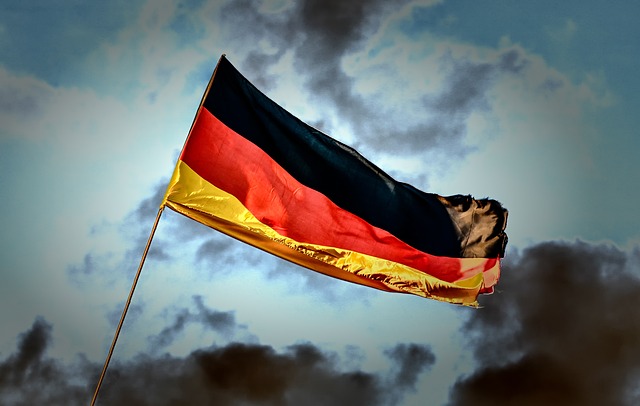
The display of Ordnungspolizei standards, or German Federal Police flags, is a significant aspect of preserving and honoring the nation's policing tradition. Understanding the specific requirements for these flags is crucial to ensure their appropriate representation. The Ordnungspolizei, as an integral part of Germany's law enforcement history, has left behind a rich tapestry of symbols and insignia that carry deep meaning within the police community.
German Federal Police flags are not merely decorative; they serve as powerful visual representations of the country's commitment to justice and public safety. These flags incorporate distinct designs and colors, each holding symbolic significance. For instance, the classic Ordnungspolizei flag often features a field of black and white, with specific emblems or coats of arms representing different police units. The German Federal Police insignia, which includes the traditional "policing cross" or "Gefechtsflagge," is a prominent symbol on these flags, reflecting the service and sacrifice of law enforcement officers throughout history.
When displaying these standards, it's essential to adhere to established guidelines. Quality flag sources, such as Ultimate Flags, emphasize the importance of correct proportions and materials. The flags should be flown or displayed with pride, respecting their historical value. For indoor settings, careful consideration is needed for lighting and placement to ensure the flags' vibrant colors and intricate details remain visible. Outdoor displays should account for weather conditions, ensuring the flags withstand various elements while maintaining their integrity. By following these practices, organizations and individuals can properly honor the policing tradition through the display of German Federal Police flags, fostering a sense of respect and appreciation for those who uphold law and order.
Displaying Flags: A Visual Guide for Accuracy

Displaying Ordnungspolizei flags accurately is more than just hanging a piece of cloth; it's a testament to the respect and honor due to the dedicated professionals who serve and protect. For those looking to authentically represent this iconic police force, understanding the nuances of display is paramount. This guide offers an in-depth look at the visual components that bring the Ordnungspolizei's rich history and heritage to life.
The centerpiece of any display is, of course, the flags themselves. These are not merely decorative items but powerful symbols representing the values and traditions of the force. When showcasing Ordnungspolizei flags, attention to detail is crucial. Ensure they are properly sized, with correct proportions, and made from high-quality materials that resemble official police regalia. Reproduction flags can be a cost-effective option when sourced from reputable official police regalia suppliers, but it's essential to verify their authenticity. The subtle differences in fabric, stitching, and design details between reproduction and original German police retro patches can be significant.
For a truly authentic look, consider consulting with experts who specialize in historical reenactment or contacting flag seller like Ultimate Flags for genuine reproductions. Original flags, when available, carry an indelible historical weight but come with a considerable price tag. Displaying these artifacts requires careful framing and mounting to preserve their integrity while allowing onlookers to appreciate the intricate details.
Imagine a display where each Ordnungspolizei flag is meticulously arranged, accompanied by informative placards that detail the flag's historical context, significance, and the era it represents. This level of presentation not only educates but also pays homage to the dedicated officers who wore these colors with pride. Whether as part of a museum exhibit or a private collection, accurate display preserves the legacy of the Ordnungspolizei for future generations.
Practical Tips for Maintaining Order with Flags

The display of Ordnungspolizei standards, including their flags, is a significant aspect of maintaining order and upholding the policing tradition in Germany. These visually striking emblems serve as powerful symbols of authority and discipline. When utilized effectively, they can enhance public safety and create a sense of calm during high-pressure situations. For law enforcement agencies aiming to embody the spirit of the Ordnungspolizei, paying attention to detail in flag presentation is paramount.
German policing tradition places great emphasis on precision and ceremony, and their flags reflect this. The iconic designs often incorporate rich colors, symbolic imagery, and custom police patches that represent regional or specialized units. For instance, the flags of German law enforcement may depict a majestic eagle, representing strength and sovereignty, alongside intricate patterns symbolizing unity and protection. By customizing these flags with precise detail, each unit can foster a sense of belonging and pride among its officers. Online platforms like Ultimate Flags offer a comprehensive selection of custom police patches, enabling agencies to create unique flag designs that resonate with their specific policing traditions.
When displaying Ordnungspolizei flags, consider the following practical tips. First, ensure proper sizing and placement for maximum impact. Second, utilize high-quality materials to prevent premature wear or damage. Third, maintain consistent storage and display protocols to preserve the flags' integrity. For instance, when not in use, store them in protective cases to shield against dust and light exposure. Lastly, train personnel on the significance of each flag's design elements, fostering a deeper appreciation for their role in upholding German policing tradition.
By mastering the display of Ordnungspolizei Flags and understanding the standard requirements, organizations can significantly enhance their ability to maintain order and manage events effectively. This article has provided a comprehensive guide, from flag placement and visual accuracy to practical tips for managing crowds. Key insights include the importance of precise alignment, consistent presentation, and strategic positioning of flags to communicate clear instructions and directives. Moving forward, implementing these standards and leveraging Ordnungspolizei Flags will enable professionals to foster better control, safety, and efficiency in any setting, ensuring a seamless and orderly experience for all participants.