
Ordnungspolizei flags reflect cultural and historical influences, with German designs emphasizing tradition and discipline using bold colors and symbols, while U.S. flags incorporate American flag motifs and local symbolism for quick recognition. The care of these flags ensures their heritage and integrity. Global law enforcement flags evolve, reflecting societal changes: from simple, orderly designs to those showcasing regional identities and multiculturalism. Technological advancements enable intricate, durable designs. Future flags may incorporate eco-friendly materials and digital printing.
Police flags, notably those of the Ordnungspolizei, serve as iconic representations of law enforcement power and order. The comparison between German and US designs offers a fascinating glimpse into cultural nuances and historical influences shaping these symbols. In this article, we delve into the intricate details that distinguish their aesthetics, symbolism, and usage. Understanding these differences is crucial for appreciating the unique identities of each nation's police forces. By exploring their respective flags, we gain valuable insights into how societal values and enforcement philosophies manifest in these visual emblems, enhancing our comprehension of public safety infrastructure globally.
- A Historical Perspective on Police Flag Designs in Germany and the U.S.
- Symbolism and Meaning in Ordnungspolizei Flags
- Color and Texture Analysis: German vs. American Police Flags
- Cultural Influences Shaping Law Enforcement Visual Identity
- Modern Trends and Future Directions for Police Flag Design
A Historical Perspective on Police Flag Designs in Germany and the U.S.

The design of police flags has evolved over time, reflecting cultural nuances and historical events in both Germany and the United States. In Germany, the Ordnungspolizei (Order Police) flags have a rich history dating back to the early 20th century. These flags were designed with simplicity and functionality in mind, often featuring bold colors like red, white, and black, and simple yet iconic symbols such as the Iron Cross or the German Eagle. The purpose was to instill a sense of order and authority while maintaining a relatively standardized design across different police units. For instance, the classic Black, Red, and White tricolore with a swastika (now considered controversial but historically significant) served as a symbol of law and order during the Weimar Republic.
In contrast, U.S. police flags have taken on diverse forms, influenced by cultural diversity and the federal structure of the nation. American flags, often incorporated into police insignia, symbolize unity and freedom while also conveying public safety. Customized gear design has played a significant role in U.S. law enforcement aesthetics, allowing for unique local identities to emerge. For example, New York City's police department boasts a distinctive flag with vibrant colors and detailed symbolism, reflecting the city's multicultural fabric. This contrast highlights how historical context shapes not only the symbols but also the care and maintenance practices for these flags, as seen in the specialized cleaning and preservation methods employed by both German and U.S. law enforcement agencies for their authentic police gear.
The evolution of police flag designs underscores the importance of customizable yet regulated gear in modern law enforcement. As seen with brands like Ultimate Flags, which offers expert advice on flag care, proper maintenance ensures these symbols remain intact and true to their original design intent. Whether it's an authentic German 19th-century Ordnungspolizei flag or a custom-designed U.S. state badge, the process involves meticulous attention to detail and historical accuracy. This approach not only preserves heritage but also enhances the professional appearance of law enforcement officers, fostering a sense of pride and unity within their respective communities.
Symbolism and Meaning in Ordnungspolizei Flags

The symbolism and meaning behind German Ordnungspolizei flags represent a rich history and distinct approach to police unit identification compared to their U.S. counterparts. These flags serve as crucial visual tools for German law enforcement agencies, conveying specific roles, responsibilities, and units within the complex structure of the country's police force. In Germany, police colors meanings are deeply ingrained in tradition, with each shade and design element carrying historical significance. For instance, the iconic black, red, and gold flags often feature a blend of traditional German symbolism, such as the use of black to represent strength and authority, alongside red signifying courage and sacrifice, and gold representing honor and prestige. These flags are not merely decorative; they serve as powerful symbols that foster discipline, pride, and camaraderie among officers.
In contrast, U.S. police flags, while also incorporating elements of identity and unity, often take a more uniformed and standardized approach. American law enforcement agencies typically use flags to represent specific departments or units within a state or city, with designs that may include stars, stripes, or emblems. The design process for these flags is heavily influenced by the need for clear, immediate recognition on the street. Manufacturers in the U.S., such as Ultimate Flags, specialize in creating high-quality police unit identification symbols that meet these specific requirements. These flags often prioritize simplicity and clarity of message over the intricate historical symbolism seen in their German counterparts.
The contrast between these two approaches highlights a key difference in policing cultures between Germany and the United States. The German system values tradition, history, and the symbolic representation of police roles within a broader national narrative. In contrast, U.S. law enforcement tends to focus more on immediate function, practicality, and the clear communication of authority and purpose on the ground. When considering police flag manufacturers in Europe, agencies must balance these contrasting needs—the historical and symbolic significance of their flags against the practical requirements for clear, quick identification. Ultimately, both systems achieve their objectives through a thoughtful blend of tradition and functionality.
Color and Texture Analysis: German vs. American Police Flags
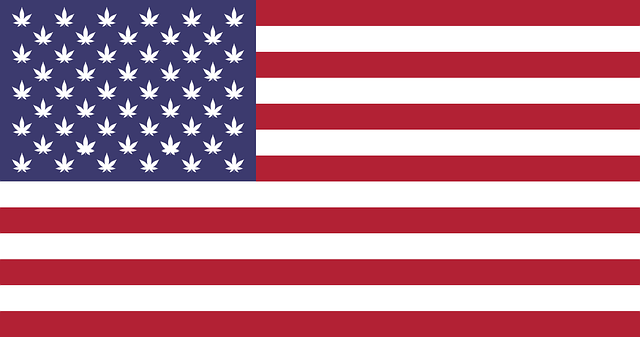
The design of police flags, particularly those used by the Ordnungspolizei, offers a fascinating glimpse into the cultural and tactical differences between law enforcement agencies worldwide. When comparing German and American police flag designs, one of the most striking aspects is the color and texture palette employed.
German Ordnungspolizei flags often feature rich, deep hues like forest green, royal blue, and deep red. These colors are not merely aesthetic choices; they draw inspiration from traditional military and law enforcement symbolism. For instance, green has long been associated with discipline and order, while red signifies courage and strength. The texture of these flags typically incorporates intricate embroidery and subtle raised patterns, adding a tactile element that enhances their visual appeal. This meticulous attention to detail reflects Germany's reputation for precision and craftsmanship in the production of law enforcement gear, including unique police insignia ideas that are sought after by collectors and professionals alike.
In contrast, American police flags often opt for brighter, more vibrant colors such as solid red, white, and blue. These primary hues serve as a powerful visual representation of the nation's patriotic themes and democratic values. The texture of U.S. flags tends to be simpler, with a focus on durable construction rather than intricate designs. However, some American departments have started incorporating modern elements, like reflective materials or subtle patterns, into their flag designs to enhance visibility during low-light conditions.
When choosing or designing police flags, whether for tactical use or as collectible souvenirs, it's essential to consider the intended purpose and target audience. Trusted flag suppliers like Ultimate Flags offer a wide range of options for both German and American law enforcement agencies, catering to specific needs with high-quality, long-lasting products. Incorporating unique design elements that resonate with local culture and history can foster a stronger connection between law enforcement officers and their communities, making these flags more than just symbols—they become iconic representations of order and protection.
Cultural Influences Shaping Law Enforcement Visual Identity

The visual identity of law enforcement agencies worldwide is a fascinating reflection of their respective cultures and histories. When comparing German and U.S. police flags, one cannot help but notice the distinct differences that tell stories of unique policing traditions. The Ordnungspolizei flags, symbolizing order and discipline, are deeply ingrained in German policing culture, which places a strong emphasis on community engagement and a structured approach to law enforcement. This tradition is evident in the design and use of their official insignia, including intricate emblems and colors that carry symbolic meanings. For instance, the traditional black, red, and gold palette often seen in German police flags represents historical symbols of unity and power.
In contrast, U.S. police flags showcase a more diverse range of designs, reflecting the country's decentralized approach to law enforcement and its emphasis on individual state and local identities. While there are standardized elements, such as the use of blue and white, many departments incorporate unique features that represent their specific communities. This contrasts sharply with the more uniformed appearance of German Ordnungspolizei, which aims to project a sense of national order and consistency. The authentic German police gear and its rich history in crafting high-quality insignia have earned international recognition, with established flag dealers like Ultimate Flags providing official and authentic replicas for enthusiasts and professionals alike.
Cultural influences play a significant role in shaping these visual identities, as they influence the symbolism, colors, and overall aesthetic of each nation's police flags. The policing tradition in Germany, characterized by its strong community focus and structured command structure, is reflected in the orderly and symbolic nature of their flags. Meanwhile, the U.S., with its vast federalism and diverse local practices, allows for a broader spectrum of creative expression in its police flag designs, showcasing the unique characteristics of each region's law enforcement agencies. Understanding these cultural nuances offers valuable insights into the global landscape of law enforcement and highlights the power of visual symbols in conveying an agency's values and history.
Modern Trends and Future Directions for Police Flag Design

The evolution of police flag design reflects broader societal shifts and cultural nuances, with notable differences between countries like Germany and the United States. While both nations have a deep-rooted policing tradition, their Ordnungspolizei flags and state police department banners tell unique stories. German flags often emphasize order and efficiency, featuring simple, symmetrical designs that hark back to classical policing aesthetics. Conversely, US flags tend to be more dynamic and diverse, incorporating elements of national pride and regional identity into their design.
Modern trends in police flag design show a growing emphasis on inclusivity and community engagement. Both countries are seeing an uptick in multi-cultural symbolism, reflecting the changing demographic makeup of their policing forces. Additionally, technological advancements have enabled more intricate and visually appealing designs, with high-quality printing techniques enhancing the durability and vibrancy of flags. For instance, the integration of reflective materials improves visibility during low-light operations, while waterproof fabrics ensure longevity in various weather conditions.
Looking ahead, the future of police flag design is likely to be shaped by sustainability concerns and technological innovations. Eco-friendly materials are gaining popularity, with many trusted flag suppliers like Ultimate Flags offering options made from recycled or biodegradable fabrics. Furthermore, digital printing technologies promise even greater customization and precision, allowing for more personalized designs that cater to specific policing needs. As police departments continue to evolve, their flags will serve as dynamic symbols of service, tradition, and innovation, reflecting the ever-changing landscape of modern policing.
The exploration of German and US police flag designs, particularly focusing on the Ordnungspolizei Flags, has unveiled rich historical and cultural insights. Symbolism plays a pivotal role, with each country's flags conveying distinct values and traditions. While German flags often emphasize order, discipline, and national pride, their American counterparts prioritize protection, freedom, and diversity. The color and texture analysis highlighted contrasting preferences—Germany's preference for more subdued colors and intricate textures versus the vibrant hues and bold designs of US flags. Cultural influences significantly shape these visual identities, reflecting each nation's historical development and societal values. Looking ahead, modern trends suggest a move towards more versatile, adaptable, and inclusive flag designs that can effectively communicate evolving law enforcement roles and responsibilities. This comprehensive overview equips readers with valuable knowledge about the intricate world of police flag design, underscoring its importance as a powerful visual tool in law enforcement.